Air Purification
Suitable air-cleaning equipment can help capture airborne particles during restoration work and support cleaner indoor conditions in affected areas.
View Service Details
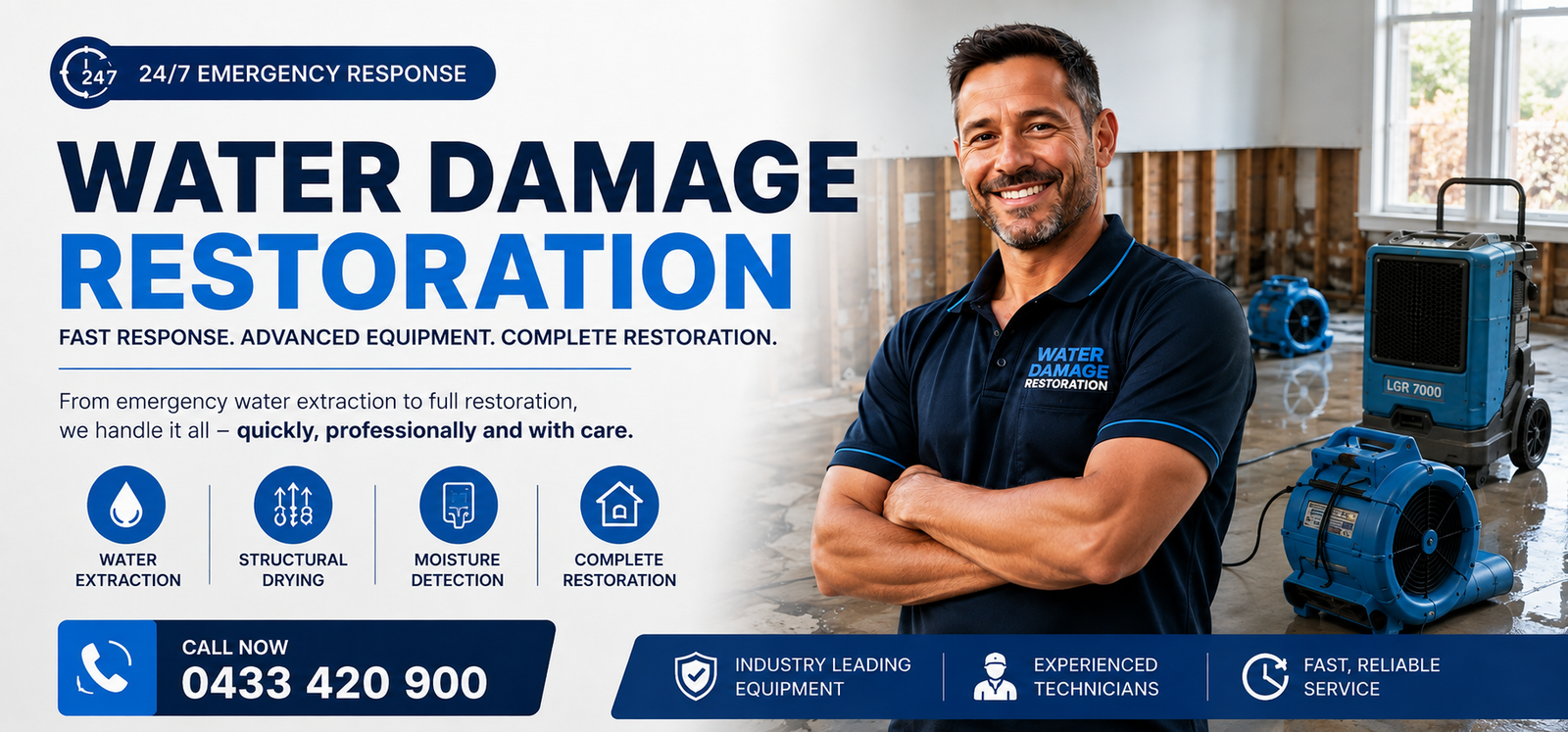
Leaks and flooding can soak carpets, travel beneath floors and leave moisture inside walls. Our restoration team assesses affected areas and uses suitable extraction, drying and air-cleaning equipment to help limit further damage.
Suitable air-cleaning equipment can help capture airborne particles during restoration work and support cleaner indoor conditions in affected areas.
View Service DetailsCommercial dehumidifiers and air movers help draw moisture from suitable building materials, with placement guided by moisture readings and site conditions.
View Service DetailsOdour treatment starts with finding the source. Where suitable, targeted deodorising methods can help address lingering damp or musty smells after cleanup.
View Service DetailsMould remediation focuses on affected materials, appropriate containment and cleaning, while also addressing the damp conditions that allowed growth.
View Service DetailsSewage incidents require careful handling, removal of contaminated water and materials where needed, and suitable cleaning and disinfection procedures.
View Service DetailsWhere the flooring system is suitable, specialist floor-drying equipment may help remove trapped moisture while limiting unnecessary disruption.
View Service DetailsWater extraction equipment removes standing water from affected rooms and surfaces so the remaining moisture can be assessed and dried.
View Service DetailsWet carpet treatment may include water extraction, assessment of the underlay and suitable cleaning, depending on contamination and carpet condition.
View Service Details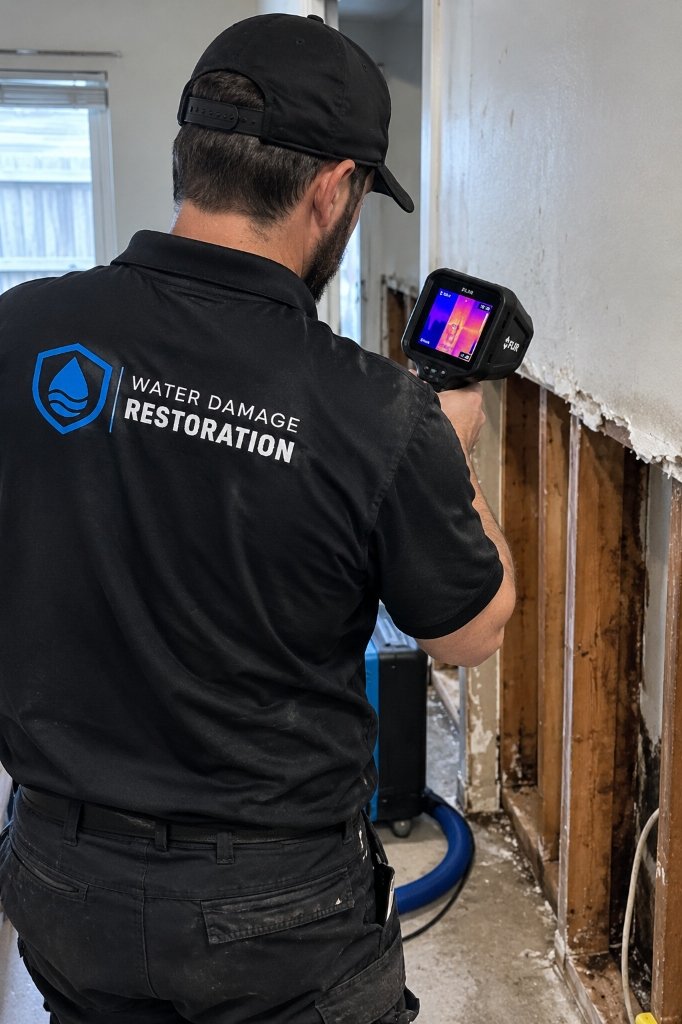
Unexpected water damage can disrupt a home or business. We explain the condition of affected areas, discuss suitable restoration options and use professional equipment matched to the job.
Every site is different. These are the main stages our team may follow, depending on the water source, affected materials and moisture levels.
We review the reported damage, check accessible affected areas and use suitable moisture detection tools to help identify damp materials beyond the visible water.
Suitable extraction equipment is used to remove standing water. If the source is contaminated, the cleanup method and protective measures must match the risks involved.
Air movers and dehumidifiers can help dry affected building materials. Specialist floor-drying methods may be considered for compatible flooring where moisture is trapped below the surface.
Cleaning, disinfection, air filtration or odour treatment may be appropriate depending on the water source, materials and condition of the property.
Follow-up moisture checks help show how drying is progressing and whether additional work is needed. We explain the findings and any recommended next steps.
A leak may come from plumbing, an appliance, a roof or stormwater entering the building. Finding and stopping the source is an important part of reducing further damage.
A failed pipe or fitting can release water into cupboards, walls, floors and nearby rooms.
Heavy rain or surface runoff may enter through doors, garages, low points or damaged drainage.
Damaged roofing or blocked gutters can allow water to reach ceilings, insulation and wall cavities.
A split hose or overflowing machine can wet laundry floors and adjoining rooms.
A dishwasher or sink leak may affect cabinets, flooring and materials beneath the kitchen surface.
A leaking tank or pipework can spread water through utility areas and nearby rooms.
A blocked drain can cause water to back up and overflow into indoor or outdoor areas.
Sewage water can contain harmful contaminants and requires appropriate cleanup and disinfection.
A leak from an upstairs bathroom or pipe may show up as staining, bubbling paint or dripping below.
A slow leak behind a refrigerator, water filter or air-conditioning unit may go unnoticed until materials become damp.
Read practical answers about emergency response, wet carpets, drying time, sewage cleanup and service areas in Geelong.
Tell us what happened, which rooms are affected and whether the water source has been stopped. Our team can discuss the next steps and current service availability.
We assist properties across Geelong and nearby suburbs. Contact us with your suburb and the details of the damage so we can confirm availability and discuss the right service.
Call to check current service availability in your suburb and explain what needs attention.
Learn how water damage is assessed, which restoration methods may help, and what to expect when arranging professional help for your Geelong property.
Water damage can follow a burst pipe, appliance leak, roof leak or stormwater entering the building. Water may spread under carpet, soak floorboards and travel into wall cavities before the full extent is obvious. Drying only the visible surface may leave moisture behind in materials that need further assessment.
Our water damage restoration service in Geelong helps property owners understand what has been affected and which steps may be needed. Depending on the incident, work can include water extraction, moisture checks, structural drying, cleaning, odour treatment or specialist attention to contaminated water.
Need help with a leak or flooded room? Call 0433 420 900 to discuss the situation and check service availability.
Carpets and underlay can retain water, timber may swell, and plasterboard can absorb moisture from a leak. Water can also collect beneath floating floors or inside cupboards and wall cavities. If damp materials are left untreated, they may deteriorate and develop persistent musty smells.
Look for damp patches, bubbling paint, lifted flooring, swollen skirting boards, wet carpet edges or a smell that remains after the room appears dry. These signs do not confirm the full extent of damage, but they can indicate that a closer moisture assessment is needed.
The source matters too. Clean water from a supply line and water affected by sewage or outdoor flooding require different handling. Avoid contact with potentially contaminated water and keep away from wet areas where electrical hazards may be present.
The first step is to review where the water came from, which rooms are affected and whether the source has been stopped. Moisture meters and other suitable detection tools can help check building materials that may still be damp even when the surface looks dry.
Standing water is removed with equipment suited to the amount of water and the surfaces involved. Prompt extraction helps limit further spread, but it does not replace the need to assess moisture that has entered carpet underlay, flooring or building materials.
Air movers and dehumidifiers can support the drying process by encouraging moisture to leave affected materials and removing excess humidity from the room. Where the floor type allows it, specialist floor-drying equipment may help address moisture trapped below the surface. Equipment placement and drying time depend on site conditions.
Cleaning methods are selected according to the water source and the condition of the affected materials. Contaminated water may require additional protective measures and disinfection. If mould is present, the affected area and the moisture problem both need attention. Odour treatment should support cleanup, not hide an unresolved source.
Moisture readings can be checked during drying to help track progress and identify areas that may need more attention. Before the work is wrapped up, ask the team to explain the findings, the work completed and any remaining repairs or next steps.
The right setup depends on the size of the affected area, the materials involved and how much water remains. Common equipment may include:
Water extraction units and pumps: remove standing water from suitable floors and affected spaces.
Moisture meters: help check dampness in accessible building materials and monitor drying progress.
Air movers and dehumidifiers: help move air across wet surfaces and remove excess moisture from indoor air.
Floor-drying systems: may be considered for compatible timber or hard flooring when moisture is trapped beneath the surface.
Air-cleaning equipment: may be used where appropriate during cleaning or remediation work.
Depending on the incident and the condition of the property, our team can discuss the following services:
The time and cost of restoration depend on the amount of water, how far it has spread, the type of building materials, contamination risks and the equipment required. A small surface spill may need a different response from water that has entered wall cavities or subfloor spaces.
Before work proceeds, ask which areas need treatment, what the proposed work includes and whether extra steps may be required once materials are checked. If you are making an insurance claim, confirm your insurer's requirements and ask which service records can be provided.
Keep people away from unsafe areas, especially where water may have reached electrical outlets or appliances. If you can do so safely, stop the water source and take photos of the affected rooms for your records. Do not use household electrical equipment in wet areas or attempt to handle sewage water yourself.
When you call, explain where the water came from, how long the area may have been wet, which rooms are affected and whether the leak has stopped. These details help the team discuss suitable next steps.